
Introduction
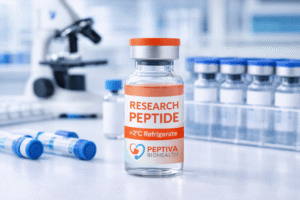
Research peptides are short chains of amino acids widely studied in controlled laboratory environments. In the UK, these compounds are supplied strictly for scientific and in vitro research purposes, supporting investigations into biochemical interactions, compound stability, and formulation development.
As interest in research compounds continues to grow, it is important to understand what peptides are, how they are used in laboratory settings, and how they are handled responsibly.
What Are Peptides?
Peptides are small molecules made up of amino acids linked together in a chain. They are commonly studied in research environments due to their structural and functional roles in biological systems.
In laboratory settings, peptides are used to:
- Analyse molecular interactions
- Study protein signalling pathways
- Support formulation and compound stability testing
- Explore delivery mechanisms in controlled experiments
These applications are strictly limited to scientific research and analytical use.
How Are Research Peptides Used in Laboratories?
Research peptides are utilised in highly controlled environments such as laboratories and research facilities. Their applications typically include:
- Biochemical analysis – examining how compounds interact at a molecular level
- Stability testing – evaluating how peptides behave under different conditions
- Formulation development – studying compound combinations and delivery systems
- Experimental modelling – supporting early-stage research frameworks
All products are intended exclusively for in vitro and laboratory-based research use.
Common Types of Research Peptides
A wide range of peptides are studied within research environments. Some commonly researched compounds include:
- Multi-peptide blends for formulation studies
- Growth hormone-related peptide analogues
- Metabolic pathway research compounds
- Cellular energy-related compounds
For example, multi-compound formulations such as advanced research blends are used to explore compound interaction and stability in controlled settings.
Explore our research formulations including GH-3 Complex research peptide blend and other laboratory-grade compounds available through our product range and
you can also explore NAD+ 500mg research peptide compound UK and Retatrutide research peptide formulations available for laboratory use.
Handling and Storage of Research Peptides
Proper handling is essential to maintain compound integrity during research.
General laboratory guidelines include:
- Store at 2–8°C (refrigerated conditions)
- Avoid repeated exposure to heat or light
- Keep sealed until use
- Use within controlled laboratory environments only
Following correct storage protocols ensures consistency and reliability in research outcomes.
Are Research Peptides Legal in the UK?
In the UK, research peptides can be legally supplied when clearly marketed and distributed for laboratory research purposes only.
They must:
- Not be promoted for human or veterinary consumption
- Be labelled appropriately for research use
- Be handled within regulatory and compliance frameworks
Suppliers must ensure transparency in how products are described and used.
Important Disclaimer
All research peptides supplied are:
- Intended strictly for laboratory research and development purposes
- Not for human or animal consumption
- Not intended for medical, therapeutic, or diagnostic use
Conclusion
Research peptides play an important role in advancing scientific understanding within controlled laboratory environments. From biochemical analysis to formulation development, these compounds support a wide range of research applications.
As the UK research compound market continues to grow, maintaining compliance, quality, and responsible use remains essential.